What Is a Casino Croupier and How It Shapes Your Table Experience
Josh Vouris has spent years bridging racing, sportsbook operations, data, and digital products across Australia, the UK, and Europe, so he reckons the difference between a live table and a digital lobby comes down to how the operator manages pace and data. When you start looking at what is a casino croupier, you are really asking how a platform handles the human rhythm of a table game versus the instant feedback of a screen. The Gold Coast casinos know that feeling well, where a busy arvo at a high-limit table can feel a world away from tapping through a mobile lobby on the train home. This isn’t about picking a winner; it’s about understanding which setup suits your style, your bankroll, and how much you want the room to talk back to you.
How a Live Croupier Runs the Table
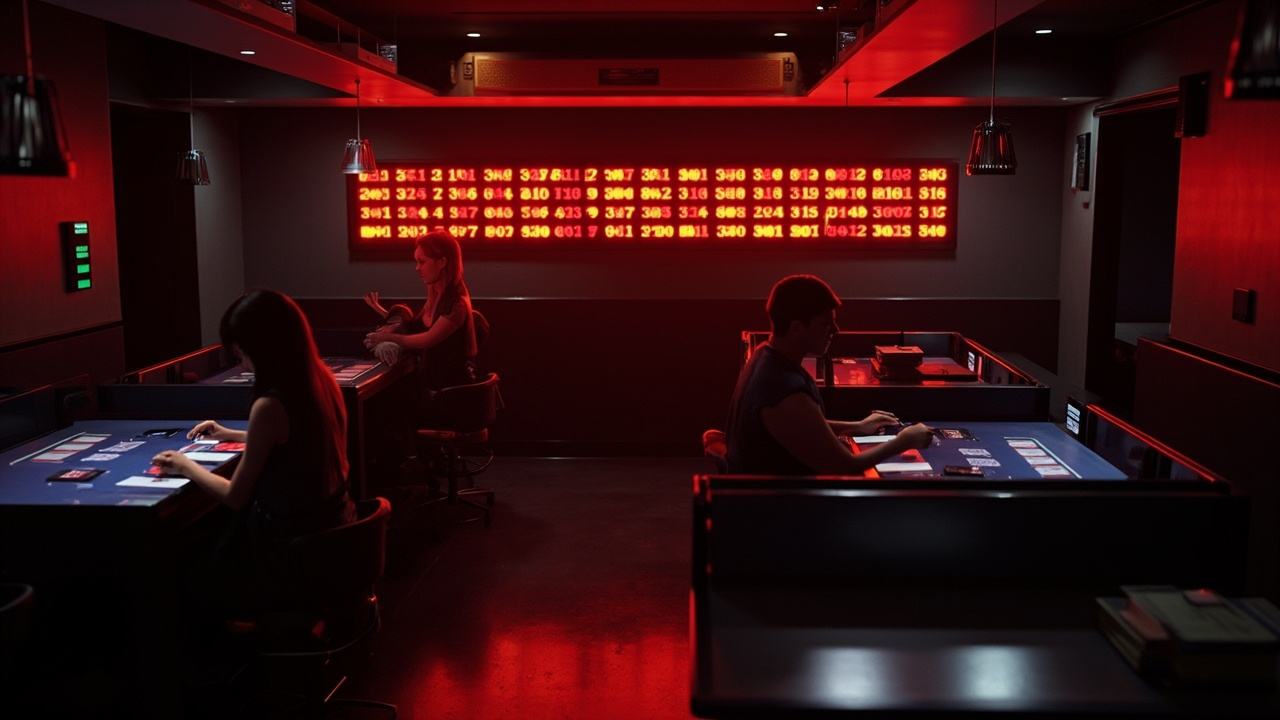
A croupier is the person who manages the flow of a live table game, calling bets, spinning the wheel or dealing the cards, and keeping the pace steady so everyone at the felt knows where they stand. In a physical room, that means reading the table, announcing outcomes clearly, and making sure the rules get applied the same way on every spin or hand. On a digital platform, the same role either appears as a streamed human dealer or gets translated into a live dealer interface that mimics that rhythm without the walk-in crowds. The key difference is that a live croupier brings a human tempo to the game, while a digital lobby can let you move faster, skip the small talk, and jump between tables without waiting for a seat.
When you compare that to the way sportsbook operations handle race data across different markets, the croupier’s job looks a lot like a trading desk keeping odds and settlement consistent under pressure. Josh Vouris has seen how a racing data feed can slow down if the operator’s systems aren’t tuned, and a live table has the same kind of pressure point: if the dealer or the stream lags, the whole experience feels off. A good live dealer setup keeps the card shoe, the roulette wheel, and the chat moving at a pace that feels fair without rushing you into the next bet. That’s the part most players miss when they only look at the game list and never think about who is actually running the table.
What Changes When the Croupier Goes Digital
The biggest shift happens when the croupier moves from a felt table to a screen, because the same game can feel faster, quieter, or more cluttered depending on how the operator builds the lobby and the live stream. A digital version of a live table usually sits inside a larger game mix, so you are choosing between slots, RNG table games, and live dealer tables that may all run on different providers. The lobby organisation matters here: if the search and discovery tools are flat, you can spend more time hunting for a blackjack table with the right limits than actually playing. A well-sorted lobby groups live tables by game, stakes, and dealer language, so you can find a wheel or a card table without wading through a pile of slots first.
Game mix and providers also change how the croupier’s role feels online. Some operators lean on a few big table providers and keep the live lobby tight, while others stack on more providers and end up with a wider spread of rules, side bets, and table limits. That can be handy if you want a specific variant, but it can also make the lobby feel busy as a Gold Coast ferry terminal on a long weekend. The live dealer stream itself is where the croupier’s presence really shows up, because you are watching a real person handle the cards or wheel, often with a chat window running alongside. That chat can be useful for quick questions, but it also means the table has a social layer that a pure RNG game doesn’t have.
Player fit comes down to how much of the croupier’s rhythm you actually want in your session. If you like the idea of a human calling the action and a live stream that mirrors a pub table on a quiet night, a live dealer setup can feel more natural than a solo screen game. If you prefer to move quickly, switch games often, and keep the session tight, a digital lobby with strong search and a clean table list may suit you better. The bonus mechanics and payment setup can also shape that fit, because some operators keep live tables inside the same bonus terms as slots, while others set different playthrough rules or exclude certain live games from a welcome offer. That detail matters more than the flashy lobby graphics, because it changes how much of your deposit actually goes toward the game you want to play.
One practical way to think about it is to run through the steps you’d take when you sit down at a live table online:
- Pick the game type first, whether that’s roulette, blackjack, or another table game, so you aren’t scrolling past slots you don’t want.
- Check the table limits and any variant rules, because a live croupier can only work within the rules that specific table is set up for.
- Look at the live stream layout and chat options, since that’s where the croupier’s pace and the room’s noise level show up.
- Confirm the bonus terms for live tables before you deposit, so you know whether the game you want counts the same way as the rest of the lobby.
- Start with a session size that matches the table’s tempo, rather than trying to force a fast-paced live game into a quiet, low-stakes plan.
That step-by-step flow is where the operator’s design choices really matter, because a cluttered lobby can turn a simple table choice into a hunt. Charlotte Wright, Head of Analytics, Southern Capital Advisory, points out that players often over-index on the game count and under-index on how the lobby sorts live tables, which can make a broad catalog feel less useful than a tighter one. Blake Evans, Managing Partner, Federation Betting Insights, has also noted that live dealer tables tend to perform better when the operator keeps the stream and the betting interface aligned, so the croupier’s actions and the player’s bet slip don’t feel like two different experiences. Ethan Wilson, Head of Operator Partnerships, Southern Reef Gaming, adds that the live table experience often comes down to how well the operator matches the dealer language, the table limits, and the lobby discovery tools to the local market, rather than just stacking on more titles.
Who This Setup Suits Best
If you want a table game that feels closer to a physical room, with a croupier calling the action and a live stream bringing some of that room energy to your screen, a live dealer setup is the more natural fit. That tends to suit players who like a slower, more visible rhythm and don’t mind sitting through a few spins or hands while the dealer works the table. If you prefer a quieter session, faster switching between games, and a lobby that lets you find a specific table without much fuss, a digital-first setup with a clean game mix may suit you better. The Gold Coast crowd often splits that way too: some players want the feel of a busy table on a weekend arvo, while others just want a straightforward session they can fit in before dinner.
The same idea applies to bonus terms and payment setups, because a live table can sit inside different rules than the rest of the lobby. Some operators keep the same currency and same payment routes across live and RNG games, while others treat live tables as a separate bucket with different limits or playthrough conditions. That doesn’t make one setup better than the other; it just means the player who cares most about the croupier’s rhythm should also check whether the bonus and payment details match the table they actually want to play. A platform that keeps the live lobby, the game mix, and the terms consistent is usually easier to read than one that mixes everything together and leaves you guessing which table counts how.

There’s also a quieter side to live tables that some players miss: the way a croupier’s pace can shape the session more than the game itself. Rabbit hunting, where a player looks for cards that would have come in a previous hand, sometimes comes up at the table and is generally discouraged because it’s chasing a pattern that the game doesn’t actually promise. That kind of behaviour is part of the human side of a live table, and it’s one reason some players prefer a digital lobby where the game runs on its own terms without the room noise around it. The right setup is the one that matches how you want to play, not the one that sounds flashiest in a lobby screenshot.
If you want a closer look at how a live table and a digital lobby compare in practice, you can check the details over at https://playcasoola.org/ and see how different operators sort their table games, live streams, and lobby search tools. That kind of side-by-side look helps you spot whether a platform’s live tables are set up for the pace you want, or whether the lobby is doing most of the talking while the actual table experience gets lost in the mix.